
Understanding the psychological impacts of gambling on decision-making and risk perception
The allure of gambling and its psychological triggers
The psychology of gambling is complex and multifaceted, with various factors that contribute to its allure. One of the primary psychological triggers is the thrill associated with risk-taking. When individuals engage in gambling activities, they experience a rush of adrenaline that can be both exhilarating and addictive. This high can create a cycle of behavior where players continuously seek out the next big win, often disregarding the potential for loss. One platform that exemplifies this modern trend is BetTOM, which offers various betting options to appeal to different preferences.

Moreover, cognitive biases play a significant role in gambling decisions. Many gamblers fall prey to the illusion of control, where they believe they can influence the outcome of games through their skills or strategies. This belief often leads to overconfidence in their decision-making, which can skew their perception of risk and reward.
The impact of emotional states on gambling behavior
Emotions significantly influence decision-making in gambling contexts. Positive emotions, such as excitement from wins, can lead players to take more significant risks, believing their luck will continue. Conversely, negative emotions like stress or anxiety can also drive individuals to gamble as a means of escape, further complicating their judgment and risk assessment.
Research has shown that when individuals are in a heightened emotional state, they are more likely to make impulsive decisions. This impulsivity can lead to reckless betting patterns, as players may chase losses or engage in high-stakes gambling to regain a sense of control over their situation.
The role of cognitive biases in risk perception
Cognitive biases shape how gamblers perceive risks associated with their decisions. One common bias is the gambler’s fallacy, where individuals mistakenly believe that past outcomes can influence future results. For instance, if a player has experienced a series of losses, they may feel that a win is “due,” leading to risky behavior that may not align with the actual probabilities of winning.
Additionally, confirmation bias can lead individuals to focus on evidence that supports their gambling strategies while ignoring information that contradicts them. This selective thinking can skew their understanding of risk, making them more likely to engage in behaviors that are detrimental to their financial well-being.
The influence of social dynamics on gambling decisions
Social dynamics significantly impact gambling behavior and decision-making processes. Friends and peers can influence an individual’s attitude toward gambling, often creating an environment where risky behaviors are normalized or even encouraged. This social reinforcement can enhance the perception of gambling as a harmless pastime, increasing the likelihood of engaging in higher-risk betting activities.
Moreover, the availability of social gambling platforms has transformed how individuals perceive risk. Online communities can create a sense of camaraderie that encourages excessive gambling, as players share experiences, tips, and successes. This can lead to an inflated sense of confidence and distorted risk perception among participants.
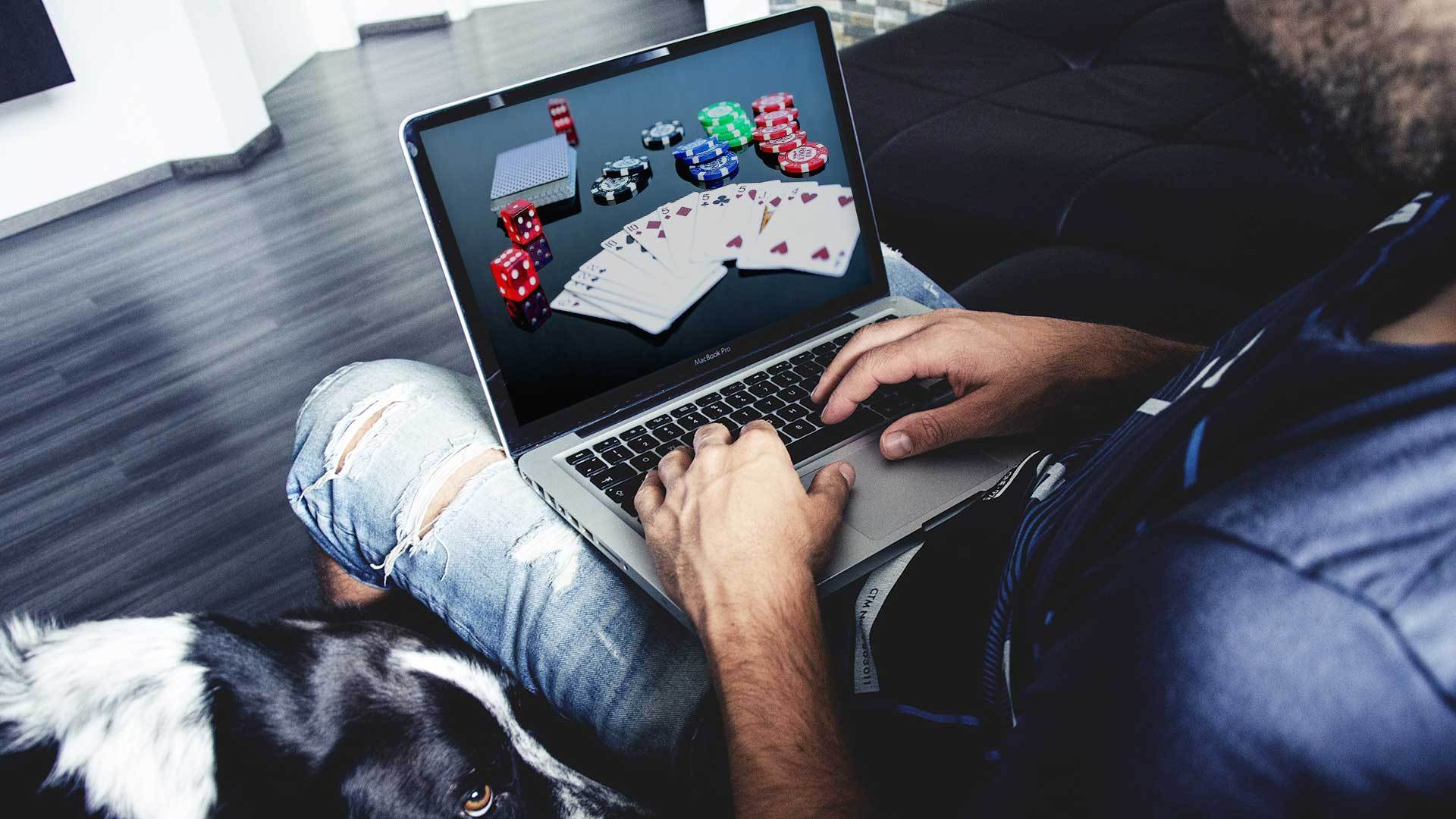
BetTOM: A responsible approach to online gambling
BetTOM prioritizes responsible gaming and aims to provide a safe and enjoyable environment for players. By implementing robust safety measures and promoting awareness of the psychological aspects of gambling, BetTOM helps users make informed decisions about their gaming habits. The platform encourages players to understand their emotional and cognitive responses to gambling, fostering a more mindful approach to decision-making.
Additionally, BetTOM features resources for players who may be struggling with their gambling habits, including self-exclusion options and access to support. By creating a user-friendly interface and offering engaging gameplay, BetTOM not only enhances the gaming experience but also ensures that player safety remains a top priority.
